
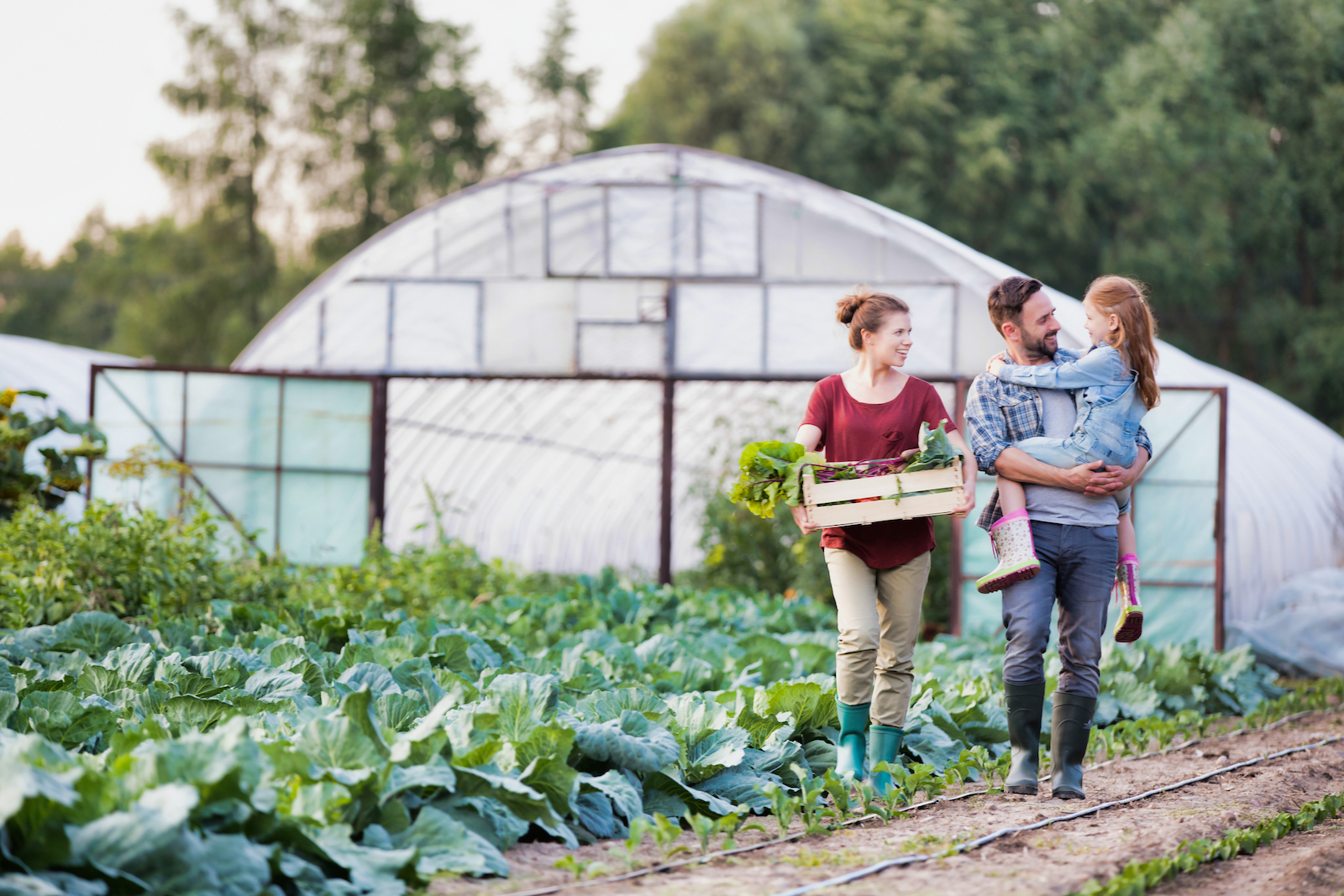
For many people, farming begins as an idea that grows quietly over time. It may start with a desire to live more independently, to spend more time outdoors, to produce food with your own hands, or to build a small business that feels more meaningful than office work. Some people arrive at farming after years of gardening, while others come from completely different careers and want a practical new direction. No matter how the interest begins, the early stage usually feels the same: exciting, confusing, inspiring, and full of questions. New farmers want to do things correctly, but the amount of information online can make the process feel harder than it needs to be.
The truth is that farming for beginners does not have to start with complicated systems or expensive investments. In fact, many of the strongest farms are built on simple decisions made well and repeated consistently. A beginner does not need to know everything in the first season. What matters more is learning the right basics in the right order: understanding the land, building healthy soil, choosing a realistic production model, managing water carefully, and avoiding the common mistakes that turn a manageable project into a frustrating one. Farming becomes much more practical when it is approached as a system of connected decisions rather than a collection of random tasks.
This homepage is designed as a starting point for people who want a useful, realistic, and grounded introduction to farming. It is not written for large industrial operations. It is written for aspiring growers, young farmers, small landowners, family-scale producers, side-income builders, and anyone who wants to move from interest into action. Whether you plan to grow vegetables, herbs, berries, flowers, or a mixed small-farm system, the same question matters at the beginning: how do you start smart instead of starting messy?
A smart start in farming does not mean moving slowly out of fear. It means moving deliberately. It means asking the right questions before buying equipment, planting large areas, or copying somebody else’s approach. What can your land support? How much time can you realistically give each week? What kind of soil are you working with? How reliable is your water source? Do you want a farm that feeds your family, supplies a local market, supports a part-time business, or grows into a long-term profession? These questions are not obstacles. They are the foundation of better decisions.
This blog exists to help beginners build that foundation. Here you will find practical guidance on starting a farm, improving soil health, choosing irrigation systems, understanding pest pressure, using compost, considering organic methods, and exploring tools like high tunnels that can improve stability and season extension. The goal is not to overwhelm you. The goal is to help you build confidence, reduce avoidable mistakes, and create a stronger path forward from the first season onward.
Welcome to Our Farming Blog
This website is for people at the beginning of the journey and for those who have already started but still feel like they are figuring out the basics. Some visitors may be preparing to use a backyard plot more seriously. Others may have access to a few acres and want to develop a productive small farm. Some may already be growing but are struggling with weak soil, inconsistent irrigation, poor crop performance, or a farm layout that does not work efficiently. What all these people have in common is the need for clear, useful, and practical information.
Many farming websites either stay too general or jump too quickly into advanced topics without giving readers a solid base. That creates a common beginner problem: people learn disconnected pieces of information but do not understand how those pieces work together. A person may read about composting without understanding how it fits into soil health. Another may read about irrigation without thinking about soil texture, crop spacing, or seasonal timing. Someone else may study crop choices without ever asking whether the land and water system can actually support them well. Farming gets much easier to understand when the big ideas are connected.
This blog is built around that connection. Instead of treating each topic like a separate subject, we approach beginner farming as a working system. Farm planning affects irrigation. Irrigation affects plant stress. Plant stress affects pest pressure. Soil structure affects water retention. Organic matter affects root development. Crop choices affect labor, timing, and infrastructure. Once beginners start seeing how one decision shapes another, they begin making choices with more confidence and far fewer surprises.
If you are at the point where you need a full starting plan, you should read how to launch your first farm. If you want to understand why so many problems begin below the surface, explore why soil should come first. If you already know that water consistency will be a major factor in your production, read choosing smart irrigation for a small farm. These are some of the most important beginner topics because they shape how smoothly the rest of the farm develops.
The purpose of this site is not to promise easy results. Farming requires effort, discipline, and observation. But a beginner who learns steadily and builds practical systems can make impressive progress in a short time. Good farming is rarely about rushing. It is about working with clarity and improving with each season.
What Beginners Need to Learn First
One of the biggest reasons new farmers struggle is that they start with the visible parts of farming instead of the foundational ones. Equipment is visible. Greenhouses are visible. Seed trays, tools, beds, and new projects are visible. But some of the most important farming realities are less visible at first: water reliability, soil structure, airflow, drainage, timing, labor capacity, and the quality of everyday decision-making. These are the things that determine whether a farm becomes easier or harder to manage over time.
Beginners do not need to learn everything at once, but they do need to learn the right first layers. If these early lessons are skipped, later improvements become more expensive and more frustrating. A farm can survive many small mistakes, but it becomes much stronger when its first principles are understood early.
Understanding Land, Soil, and Water
The land is not just the place where the farm sits. It is an active part of the farm itself. Slope, exposure, wind, drainage, access roads, usable space, and distance to water all shape how efficient and successful the operation can become. Two properties of the same size may perform very differently depending on these factors. A beginner should learn to look at land as a working environment, not just a blank space waiting for crops.
Soil is one of the first things worth studying because it influences almost every other farming decision. Healthy soil helps roots penetrate more easily, holds moisture more evenly, drains more predictably, and supports the biological life that contributes to crop resilience. Poor soil often creates a chain of problems: uneven growth, weak plants, wasted irrigation, nutrient stress, shallow roots, and more pressure from weather extremes. Many beginners try to solve symptoms above the ground while the real cause remains below it.
Water is equally critical. Crops do not simply need water; they need reliable and consistent access to the right amount of water at the right time. Too little water reduces growth, stresses plants, and lowers yield quality. Too much water can damage roots, encourage disease, and waste labor or money. A beginner who understands the relationship between soil and water gains a major advantage. For example, soil with better structure and more organic matter generally uses irrigation more effectively because it holds moisture better and supports stronger root systems.
Before planting seriously, beginners should ask a few basic questions. Does the land drain well after rain? Are some areas drier or wetter than others? Is there enough sunlight for the intended crops? How far is the water source from the growing area? Is the layout practical for hoses, drip lines, or future expansion? These are not technical questions for specialists only. They are practical questions that shape everyday farm success.
Choosing the Right Type of Farm
Not every farming model fits every person, property, or budget. Some beginners want a small vegetable farm for local sales. Others want a mixed homestead-style system with produce, herbs, composting, and protected growing. Some may prefer berries, flowers, poultry, nursery plants, or season extension systems with high tunnels. The right choice depends on your goals, available time, climate, soil, market access, labor capacity, and learning style.
A common mistake is choosing a farm idea because it looks attractive from the outside. Social media often highlights the most beautiful parts of farming without showing the repetition, planning, and discipline that make the system work. It is easy to admire a productive market garden, but much harder to understand the behind-the-scenes reality: succession planning, irrigation checks, pest monitoring, crop turnover, record keeping, and daily consistency. Beginners benefit when they choose a model they can realistically manage instead of one that only looks impressive.
In practical terms, this means matching ambition with capacity. A focused and well-run half-acre may teach more and produce better results than a poorly managed larger area. Starting with a smaller crop list can be wiser than trying to grow too many things at once. Repetition builds skill. Skill improves planning. Better planning leads to stronger systems. That progression is much more valuable than beginning with unnecessary complexity.
The right type of farm is the one that fits your current resources while still allowing future growth. It should be big enough to teach real lessons but small enough to stay under control. It should suit your land rather than fight against it. It should align with your schedule instead of assuming endless labor. When beginners make this choice carefully, many later decisions become easier.
Avoiding Expensive Beginner Mistakes
Most early farming problems are not caused by laziness. They are caused by mismatch. The scale is too big for the labor available. The crops are too diverse for the planning system in place. The irrigation is too weak for the layout. The timing is too ambitious for the experience level. The enthusiasm is high, but the structure is weak. That is why many beginner mistakes feel costly: they are often system mistakes, not just one-time errors.
One common beginner mistake is spending too much too early. New growers sometimes buy equipment before they know exactly how they will use it. Others invest in materials that do not match the scale of the project. In many cases, simple infrastructure and strong routines create more value than expensive tools. A well-thought-out irrigation line, a sensible crop plan, and a clear field layout often improve results more than a long shopping list.
Another frequent issue is planting too much in the first season. It may feel efficient to use all available space, but large plantings increase the demand for watering, weeding, observation, harvest timing, and problem-solving. When the system is still new, this can quickly become overwhelming. A smaller beginning allows space to learn. It creates room for correction. It gives the beginner time to observe how crops respond to weather, water, spacing, and soil conditions.
Many beginners also underestimate the importance of records. Farming memory is unreliable because each week brings new tasks and new pressures. Keeping notes on planting dates, irrigation patterns, soil amendments, pest issues, and harvest timing helps reveal patterns that would otherwise be forgotten. These records become one of the most valuable tools on the farm because they turn experience into usable knowledge.
The most useful mindset for beginners is not perfection. It is disciplined learning. You do not need a flawless first season. You need a season that teaches you what works, what fails, and what should improve next.
Core Topics Every New Farmer Should Explore
Farming becomes much less confusing when it is divided into a few core topics that influence most other decisions. These themes are especially important because they create the practical base for small-farm success. Instead of chasing random advice, beginners can use these areas as the main framework for learning and improvement.
- Starting a farm: This includes defining goals, choosing a scale that matches your resources, understanding your land, and building a first-year plan that is realistic rather than rushed.
- Soil health: Strong soil supports stronger farms. Learning how soil structure, organic matter, biology, and moisture interact helps beginners avoid many common crop problems.
- Irrigation: Water management is one of the most practical skills in farming. Good irrigation improves consistency, reduces plant stress, and saves labor when done correctly.
- Pest management: Healthy crops and good planning can prevent many pest problems before they become severe. Beginner farmers should learn to observe, identify, and respond instead of reacting blindly.
- Composting: Composting turns available organic material into a useful tool for building soil. It helps beginners think in cycles rather than treating waste as a separate issue.
- Organic farming: Whether or not you seek certification, learning about organic systems can improve farm discipline, record keeping, input awareness, and preventive growing methods.
- High tunnels: Protected growing systems can help beginners extend the season, improve crop quality, and reduce weather-related risk when used thoughtfully.
These topics are valuable not only because each one matters on its own, but because they support one another. For example, better soil can reduce the amount of irrigation stress crops experience. More balanced irrigation can reduce plant weakness, which in turn can lower pest pressure. Composting can improve soil organic matter, which supports root growth and more stable moisture conditions. Organic planning often pushes growers to think more preventively, which can improve field management overall. High tunnels create new opportunities, but they also require good water, ventilation, and crop-planning habits to succeed.
When beginners learn through connected topics instead of isolated facts, they develop better judgment. That judgment is one of the most important assets any farmer can build. Good judgment helps you decide when to expand, when to simplify, when to adjust, and when to leave a system alone because it is already working well.
Featured Beginner Guides
This blog is structured to help readers move in a useful sequence. The first major guide focuses on how to start a farm in a way that matches your real-world capacity. That is the planning stage where you define goals, assess land, think about scale, and create a first operating structure. Without that stage, many later decisions become reactive instead of strategic.
After planning, the next logical focus is soil. Beginners often want to jump directly into planting, but soil determines far too much to treat it as a background issue. Soil influences water movement, root growth, nutrient availability, and crop resilience. If the soil is not improving, the farm usually works harder for weaker results. That is why soil should be understood early rather than fixed later.
Water comes next because every crop depends on consistency. An irrigation system is more than a convenience. It is part of the farm’s reliability. Good irrigation planning reduces wasted labor, creates more even growth, and protects crops during stressful weather. For beginners, this can make the difference between a manageable farm and a constantly reactive one.
As readers move beyond those basics, the blog expands into crop rotation, cover crops, composting, organic planning, integrated pest management, and high tunnel growing. These subjects help beginners strengthen field performance and build more resilient systems over time. They are especially valuable because they encourage preventive thinking instead of emergency thinking.
The most helpful way to use these guides is not to read them passively, but to apply them actively. Take notes on your own land. Compare the recommendations to your current setup. Look for the one area where improvement would have the biggest effect this season. That practical approach turns reading into better farming.
Common Mistakes New Farmers Make
Beginner mistakes are normal, but many of the most expensive ones are also avoidable. In most cases, these mistakes happen because people try to do too much before the fundamentals are in place. Farming rewards ambition when it is supported by structure. Without structure, ambition quickly turns into overload.
Starting too big is one of the most frequent problems. A large farm area may seem like a good opportunity, but every additional bed, field, or crop adds more watering, more observation, more weeding, more timing pressure, and more chances for confusion. Small, focused beginnings usually lead to better learning because they allow beginners to see what is actually happening in the field.
Ignoring soil condition is another major error. New farmers often become highly focused on seeds, tools, or visible layouts while missing the deeper issue of soil function. Soil that is compacted, lifeless, or poorly drained will reduce the benefits of almost every other improvement. You can have strong seeds and a good plan, but weak soil still creates limits that eventually appear in crop performance.
Poor water planning is also common. Some beginners assume watering will be simple and leave it to manual effort without a system. Others use irrigation methods that do not match the crop layout or soil conditions. This leads to uneven growth, wasted water, unnecessary labor, and sometimes disease pressure. Water should be planned before it becomes urgent.
No crop strategy is another hidden problem. It is easy to plant based on enthusiasm, but a field without a crop plan can become difficult to manage. Timing may become inconsistent, spacing may be inefficient, harvest windows may overlap badly, and labor needs may become chaotic. A crop plan does not need to be complicated, but it should exist.
Weak record keeping is one of the most underestimated issues on small farms. Many growers believe they will remember what happened, but farming creates too much detail for memory alone to be reliable. Notes on planting dates, varieties, field conditions, irrigation timing, pest outbreaks, and harvest results provide a practical advantage season after season. Records help transform experience into better judgment.
- Do not scale faster than your systems can handle.
- Do not treat soil like a secondary concern.
- Do not wait for crops to struggle before thinking seriously about water.
- Do not grow randomly without a plan for timing and management.
- Do not assume that memory will replace observation and written records.
The encouraging part is that beginner mistakes do not have to define the farm. When growers notice patterns early and make clear adjustments, farms improve quickly. Farming does not require perfection. It requires attention, adaptation, and a willingness to build better systems over time.
How to Use This Blog
The best way to use this blog is to think of it as a structured learning path rather than a collection of unrelated articles. If you are completely new, begin by defining your situation clearly. What land do you have? What do you want the farm to do? How much time, labor, and money can you realistically commit? Once you know that, move into the articles that help you build the basic production system: soil, water, and field planning.
After reading the planning and foundational guides, begin looking at the areas that improve resilience and long-term quality. Crop rotation and cover crops help strengthen soil and reduce repeated pressure. Composting helps build organic matter and recycle farm resources more productively. Integrated pest management teaches better observation and smarter prevention. Organic production planning encourages stronger system discipline, while high tunnels offer opportunities for season extension and more controlled growing conditions.
You do not need to apply every idea immediately. In fact, beginners usually get better results by improving one or two areas at a time. If your water system is inconsistent, fix that first. If your soil is weak, focus on soil-building practices. If pest pressure keeps returning, improve observation and field prevention. This kind of step-by-step approach keeps progress practical and measurable.
It is also helpful to use the blog with your own notebook or planning document. As you read, write down which ideas apply directly to your property and which ones may matter later. Farming becomes easier when information is translated into decisions that fit your own site rather than copied blindly from someone else’s conditions.
Most importantly, use the blog as a tool for asking better questions. Instead of asking only what crop you should grow, ask whether your land, soil, water, and labor setup can support that crop well. Instead of asking what tool to buy next, ask which system problem needs solving first. Better questions usually lead to better farms.
Why Practical Farming Knowledge Matters More Than Hype
Modern farming content is often full of exciting visuals, quick success stories, and simplified advice. While inspiration has value, beginners need more than motivation. They need context, sequence, and realism. A strong farm is not built from isolated hacks or attractive photos. It is built from repeated good decisions, useful routines, and a clear understanding of what the land is telling you.
Practical farming knowledge matters because it helps you make decisions that survive real conditions. Weather shifts. Soil responds slowly. Crops do not always perform as expected. Water systems fail. Pests appear at inconvenient times. Labor shortages happen. Under those realities, flashy advice loses value quickly unless it is grounded in real field understanding. Beginners need information that still makes sense on difficult days, not only on easy ones.
This is why practical knowledge usually looks simple from the outside. Observe the field regularly. Improve the soil steadily. Match scale to labor. Water consistently. Record what happens. Rotate intelligently. Prevent problems when possible. These ideas are not glamorous, but they are powerful. They create farms that become more stable instead of more fragile as time goes on.
For beginners, the real advantage is not knowing everything. It is knowing what matters most right now. That kind of focus can save money, reduce stress, and create visible improvement much faster than trying to imitate advanced systems without the same foundation underneath them.
Building Confidence as a New Farmer
Confidence in farming does not appear all at once. It grows through repetition and clarity. The first time you prepare a growing area, set up irrigation, observe plant stress, or adjust a crop plan, the process may feel uncertain. Over time, the same actions become easier because you begin to see patterns. You understand how the soil changes after rain. You notice which parts of the field dry out first. You recognize when plants are healthy and when they are signaling stress. That experience builds quiet confidence.
One of the healthiest ways for beginners to develop confidence is to stop measuring success only by scale. Bigger is not always better, especially in the beginning. A smaller area managed with consistency can teach stronger lessons than a larger area managed reactively. Confidence grows when a farmer understands the system well enough to make timely adjustments. It does not grow just because more land was planted.
Another important part of confidence is accepting that farming always involves learning. Even experienced growers continue adapting because weather, markets, and field conditions change. Beginners do not need to feel embarrassed by not knowing everything. The goal is not instant mastery. The goal is steady improvement supported by observation and practice.
As you work through the guides on this site, remember that progress often comes from discipline more than speed. A beginner who learns steadily, keeps useful records, and improves systems one season at a time can build a farm that becomes stronger every year.
FAQ
Is farming hard for beginners?
Farming can be challenging at the beginning because it combines physical labor, planning, timing, observation, and problem-solving. However, it becomes much more manageable when beginners start with a realistic scale, focus on core skills first, and improve their systems step by step instead of trying to master everything immediately.
How much land do you need to start?
You do not always need a large area to begin farming. A small, well-managed growing space can teach valuable lessons and produce useful results. In many cases, soil quality, water access, sunlight, and layout matter more than total size. A smaller productive area is usually better for beginners than a larger area with weak systems.
What should you learn first in farming?
Beginners should first learn how to assess land, understand basic soil condition, think about water access, and choose a farm type that matches their time and resources. These basics influence nearly every other decision on the farm and help reduce common beginner mistakes.
Should beginners grow many crops or just a few?
It is usually better to begin with fewer crops and manage them well. A focused crop list helps beginners learn spacing, timing, irrigation, weeding, and harvest patterns more clearly. Too much diversity too early often creates confusion and makes it harder to notice what is working well.
Why is soil so important in beginner farming?
Soil affects root growth, moisture balance, nutrient availability, and overall crop resilience. When soil is healthy, many farming tasks become easier and crop performance becomes more stable. When soil is poor, farmers often spend more time solving surface-level symptoms without fixing the underlying issue.
Do beginners need an irrigation system right away?
Most beginner farms benefit from some form of planned irrigation, even if the setup is simple. Crops need consistent water, and relying only on improvised watering methods often leads to uneven growth and wasted labor. The right system depends on farm size, crop type, water source, and budget.
Can farming be started with a small budget?
Yes, many people begin farming with limited budgets by starting small, using simple infrastructure, and focusing on essential systems first. The key is to avoid unnecessary spending and match the project size to the resources available. Good planning often saves more money than expensive equipment.
How important is record keeping for a new farmer?
Record keeping is extremely useful because it helps beginners track planting dates, crop performance, irrigation timing, pest issues, input use, and field observations. These notes make it easier to improve each season and reduce the chances of repeating avoidable mistakes.
Is organic farming a good idea for beginners?
Organic methods can be a good fit for beginners, especially those interested in preventive growing, soil-building, and thoughtful input use. However, success depends on discipline and planning. Even if certification is not the immediate goal, learning from organic production systems can strengthen overall farm management.
What is the best mindset for someone starting a farm?
The most useful mindset is to stay practical, observant, and patient. Farming rewards steady improvement more than quick expansion. Beginners do best when they build one solid layer at a time, learn from each season, and focus on creating systems that grow stronger instead of more complicated.